

Hannah Childs Interiors

Eighteen studies in colour, pattern and texture, each one plate and a short written note.

Swatch plate for rush seating
TEXTURE

Rush Seating

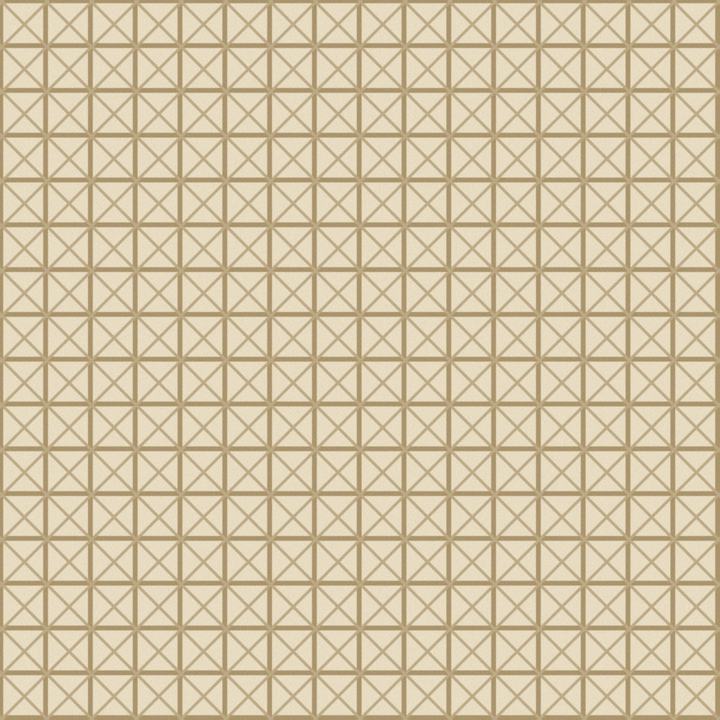
Rush seating is made from the leaves of freshwater rushes, harvested, dried, dampened and then twisted into a continuous cord as the seat is woven. The weaver works around the four rails of the chair in a spiral, which produces the familiar pattern of four triangular panels meeting at the centre of the seat.
Swatch plate for limewash
TEXTURE

Limewash

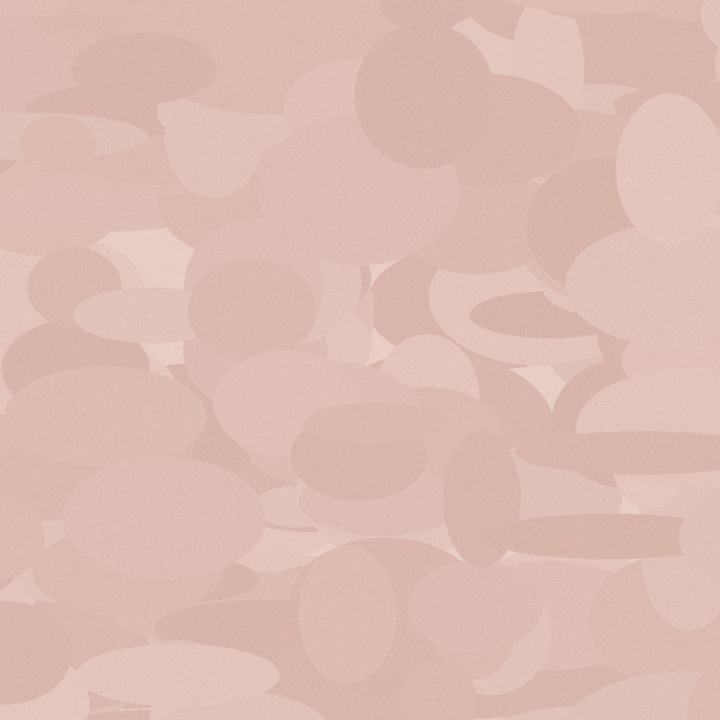
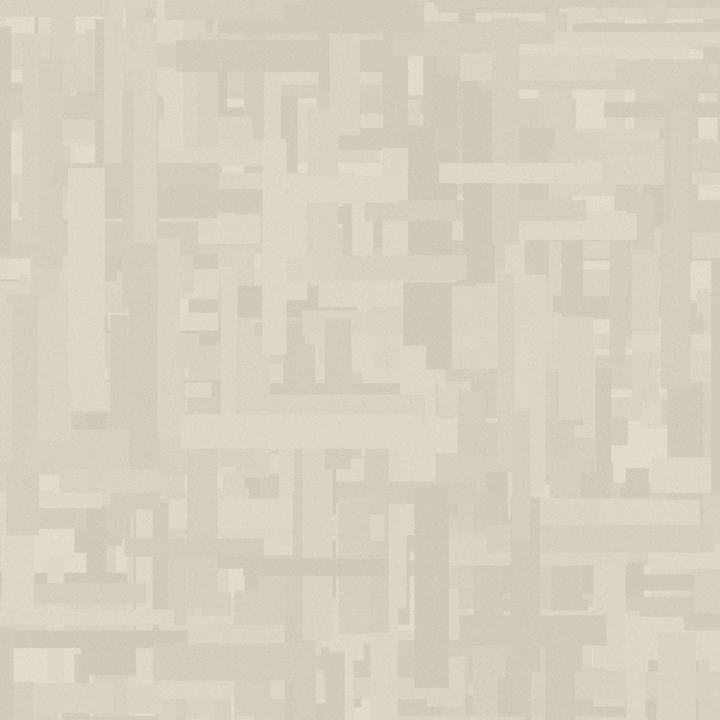
Limewash is slaked lime thinned with water, sometimes with earth pigment added. It is not a paint film sitting on a wall but a thin mineral layer that carbonates and binds into the surface underneath.

Swatch plate for tongue and groove
TEXTURE

Tongue and Groove

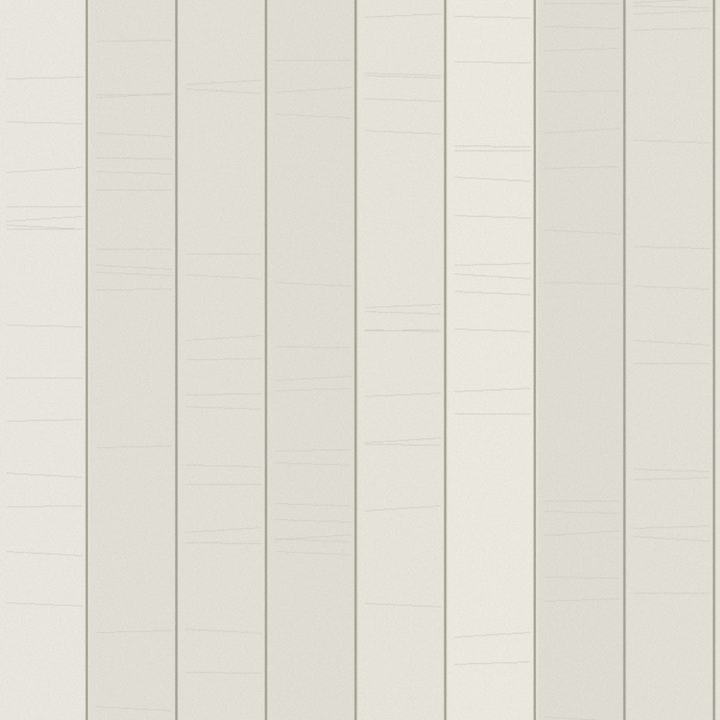
Tongue-and-groove boarding joins each board to the next with a projecting tongue on one edge and a matching groove on the other. The joint allows the timber to move seasonally without opening a visible gap, which is why it was the standard method for lining walls, ceilings and cupboard backs long before sheet materials existed.

Swatch plate for cane webbing
TEXTURE

Cane Webbing

Cane webbing is woven from the outer bark of the rattan palm, cut into fine strips. The familiar open hexagonal mesh is produced by a six-way weave, and it is sold either as a pre-woven sheet set into a groove around a frame, or worked strand by strand through a line of drilled holes in the older hand-caned method.

Swatch plate for hand-blocked paper
TEXTURE

Hand-Blocked Paper

Hand-blocked wallpaper is printed with the same relief blocks used for cloth, one colour at a time, on paper laid out in long lengths. Between colours the run has to dry, so a paper with six colours is passed six times and hung to dry six times, which is why the method has always been expensive and why it survives only at the top of the market.